
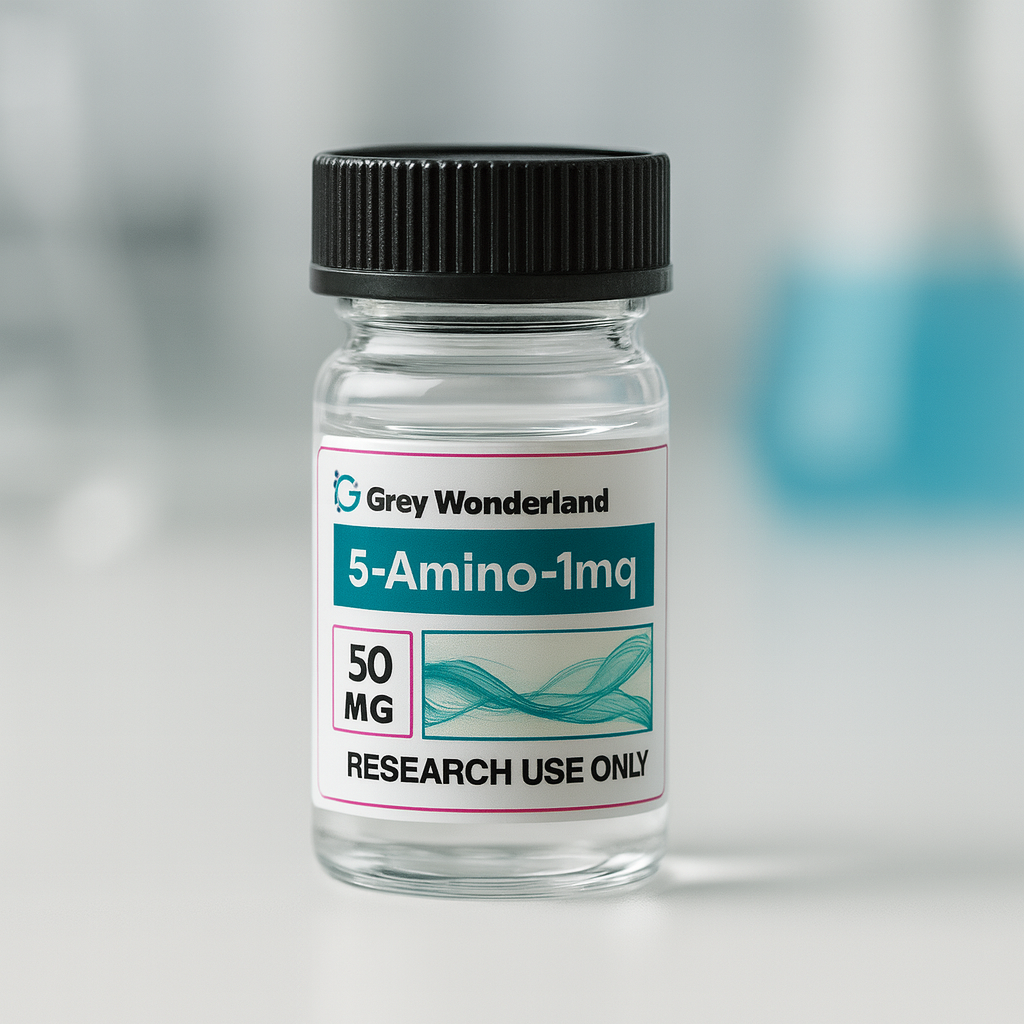
Understanding Peptide Purity: Why It Matters for Safety and Results
Peptides are short chains of amino acids that play a vital role in a variety of applications, from fitness and anti-aging to scientific research and therapeutic treatments. But one crucial factor often overlooked by beginners and even experienced users is peptide purity.
High-quality peptides are only as good as their purity, and using substandard products can lead to inconsistent results, health risks, or wasted time and money. In this post, we’ll dive deep into what peptide purity means, why it matters, the lab-grade standards that ensure safety, and how to identify a trustworthy peptide supplier.
What is Peptide Purity?
Peptide purity refers to the percentage of a peptide compound that is free from impurities or contaminants. For example, a peptide labeled as 98% pure means that 98% of the substance is the intended peptide, while the remaining 2% could include leftover chemicals, solvents, or unintended byproducts from synthesis.
Purity is not just a technical term—it directly affects:
- Safety: Contaminants can cause unwanted side effects or allergic reactions.
- Effectiveness: Impurities can interfere with how the peptide interacts with your body.
- Consistency: Low-purity peptides may yield unpredictable results, making it difficult to track progress in fitness or research experiments.
- Key takeaway: The higher the purity, the more reliable, safe, and effective your peptide will be.
Why Peptide Purity Matters
1. Safety First
When it comes to peptides, safety should always come first. Impurities can trigger adverse reactions, ranging from mild skin irritation to more severe health issues, especially if the peptide is administered via injection.
Even tiny contaminants, like leftover chemicals from synthesis, can cause toxicity or interact negatively with your body. Choosing peptides with high purity minimizes these risks, giving you peace of mind.
2. Effectiveness and Performance
Purity directly affects how well a peptide works. Impure peptides may:
- Reduce biological activity, meaning your fitness, anti-aging, or research goals may not be achieved.
- Interfere with receptor binding, leading to suboptimal results.
- Produce inconsistent outcomes, making it hard to replicate results in experiments or personal use.
For example, peptides designed for muscle growth or fat loss may be less effective if impurities interfere with how the body absorbs or utilizes them.
3. Consistency and Reliability
High-purity peptides ensure predictable results. For researchers, this means accurate experiments and valid data. For fitness or anti-aging enthusiasts, this translates to measurable progress and reliable outcomes.
How Peptide Purity is Tested
Reputable peptide suppliers don’t just make claims—they back them up with scientific testing. Here are the most common methods used to verify purity:
High-Performance Liquid Chromatography (HPLC)
HPLC is the gold standard for measuring peptide purity. It separates a peptide mixture into individual components and quantifies the amount of pure peptide versus impurities. A clean HPLC chart is a strong indicator of high-quality peptide.
Mass Spectrometry (MS)
Mass spectrometry confirms the molecular weight and structure of a peptide. This ensures the compound is exactly what the supplier claims, providing confidence that it’s safe and functional.
Certificates of Analysis (COA)
A Certificate of Analysis is an official document that outlines the results of purity testing, including HPLC and MS data. When buying peptides, always request a COA from your supplier to confirm authenticity and quality.
Lab-Grade Standards and Certifications
High-quality peptide suppliers adhere to strict manufacturing standards to ensure their products are safe, reliable, and effective. Here are key certifications to look for:
1. cGMP (Current Good Manufacturing Practice)
cGMP-certified manufacturers follow rigorous protocols for production, cleanliness, and quality control, reducing the risk of contamination.
2. ISO 9001 Certification
ISO 9001 is an international quality standard that ensures a company consistently meets regulatory and customer requirements. It’s a strong indicator of a trustworthy supplier.
3. Independent Lab Verification
Some suppliers also use third-party labs to independently verify purity. This extra step ensures transparency and reduces potential bias from in-house testing.
Common Peptide Impurities and Their Risks
Even with professional manufacturing, low-quality peptides may contain contaminants such as:
- Truncated peptides: Incomplete synthesis can produce peptides that are shorter than intended, reducing effectiveness.
- Residual solvents: Chemicals used during synthesis may remain in the final product, potentially causing toxicity.
- Misfolded peptides: Incorrect folding can reduce biological activity.
By choosing peptides with verified purity, you avoid these risks and achieve reliable results.
Tips for Choosing High-Purity Peptides
- Always request a COA: Make sure your peptide comes with lab results showing ≥95% purity.
- Check for certifications: Look for cGMP, ISO, or third-party verification.
- Read customer reviews: See what other users have experienced regarding quality and effectiveness.
- Buy from trusted suppliers: Avoid unknown sources that make unrealistic claims without proof.
- Understand storage requirements: Even pure peptides can degrade if improperly stored (usually in a cool, dry place or refrigerated).
Peptide Purity in Fitness and Anti-Aging
For fitness enthusiasts, muscle growth peptides or fat-burning peptides rely on high purity to function optimally. Impure peptides may yield minimal gains or inconsistent results.
Similarly, for anti-aging or regenerative purposes, peptides designed to stimulate collagen production or cellular repair must meet purity standards to ensure both safety and efficacy. Using verified peptides prevents wasted effort and potential health risks.
Peptide Purity in Scientific Research
In research, accuracy is everything. Using low-purity peptides can compromise experiments and produce unreliable data, leading to wasted time, resources, and even invalid study conclusions.
Researchers rely on peptides with detailed Certificates of Analysis and independent lab verification to ensure reproducibility and validity.
Conclusion
Peptide purity is more than just a label—it’s a critical factor that affects safety, effectiveness, and reliability. Whether you’re an athlete, anti-aging enthusiast, or researcher, selecting high-purity peptides ensures:
- Safe use with minimal risk of adverse effects
- Consistent and predictable outcomes
- Maximum performance and effectiveness
- Peace of mind knowing your products are tested and verified
When choosing a peptide supplier, always check lab testing results, COAs, and certifications. Don’t compromise on quality, because your health, results, and research depend on it.
We’d Love Your Feedback!
If you’ve purchased peptides from us, your experience helps others make informed decisions. Please leave a review on Trustpilot and share your thoughts: Review Us on Trustpilot